Skip to content
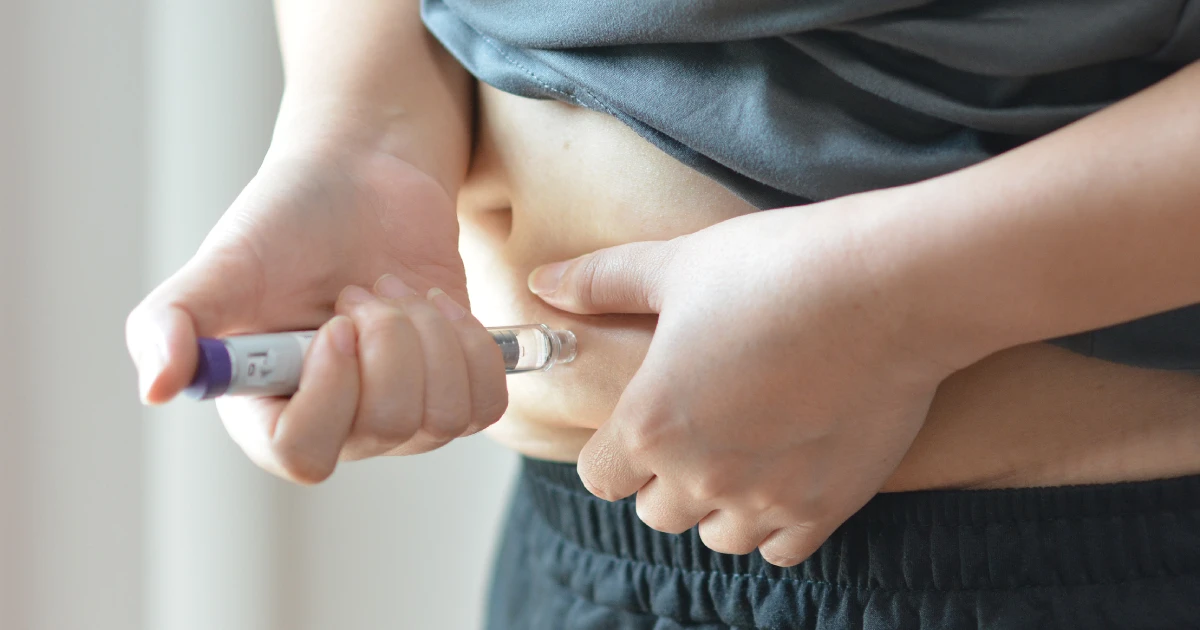
Table of Contents
If you have tried cutting calories, changing your diet, and pushing through workouts only to see minimal results, you already know how frustrating weight loss can be. For many people, the issue is not effort. It is biology. That is where medically supervised care, including weight loss injections, has begun to change the conversation.
Do weight loss injections actually work?
Weight loss injections, particularly GLP-1 receptor agonists like Semaglutide and Tirzepatide, work by targeting hormones that regulate appetite and blood sugar. Most patients in physician-supervised programs report meaningful reductions in hunger and gradual, sustainable weight loss when these programs are combined with lifestyle support, such as nutrition counseling and fitness guidance. Results vary based on individual health factors, and eligibility is determined during a medical consultation.
What Weight Loss Injections Actually Do
The short version: they change how your body signals hunger.
GLP-1 receptor agonists, the class of medications behind many of today’s prescription weight-loss injections, mimic a hormone your gut naturally releases after eating. That hormone signals to your brain that you are full, slows digestion, and helps stabilize blood sugar. The result is that most patients find they are simply less interested in eating large amounts, without the white-knuckle willpower that traditional dieting often demands.
This category includes medications such as Semaglutide and Tirzepatide. They are prescription-only, which means that a clinician must evaluate your medical history, current medications, and goals before determining if you are a good fit. That step is more important than most people realize.
GLP-1 Therapy Is Not a Shortcut
There is a version of this conversation that makes GLP-1 therapy appear simple, and this framing does patients a disservice. These medications are intended to supplement, not replace, a health plan.
In a supervised program, injections are one component of a larger picture that typically includes nutrition counseling, fitness recommendations, and regular check-ins to track your progress and adjust your plan as needed. Patients who get the best results tend to be those who treat the injection as a support system rather than the whole solution.
It is also worth knowing that appetite suppressant injections can come with side effects, most commonly nausea, especially early in treatment. Starting at a lower dose and gradually increasing it is standard practice for this reason, and a good clinical team will walk you through what to expect.
Who Is a Good Candidate
Not everyone is a good fit for weight-loss injections, and that is not a bad thing. It just means your care should be matched to your actual situation.
Most programs look for patients who:
- Have a BMI that places them in an overweight or obese range, or a lower BMI with weight-related health concerns
- Have not achieved the desired results through lifestyle changes alone
- Do not have contraindications such as certain thyroid conditions or a history of pancreatitis
- Are prepared to engage with the program beyond the injection itself
A thorough medical consultation is the only way to know for certain. Candidacy cannot be determined by a quiz or a general checklist.
What the Program Looks Like at Mason Aesthetics and Wellness
At Mason Aesthetics and Wellness, the Medically Assisted Weight Loss Program is built around the idea that sustainable results come from a complete approach, not a single prescription.
Depending on your eligibility and provider assessment, your plan may include FDA-approved medications such as Semaglutide or Tirzepatide. Beyond the medication itself, the program includes detailed nutrition counseling, fitness recommendations tailored to your lifestyle, and continuous progress tracking so your plan can be adjusted as you go.
Every patient works with a clinician’s guidance throughout, which means you are not figuring this out on your own. The program is designed around long-term success, which looks different for everyone, and the clinical team is there to help you find what that looks like for you.
What to Expect When You Start
The first few weeks are usually an adjustment period. Most patients begin at a lower dose to let their bodies acclimate, and the appetite-suppressing effects typically become more noticeable over the first month or so.
Progress tends to be gradual rather than dramatic, which is actually a good sign. Rapid weight loss can carry its own risks and is harder to maintain. Most patients in physician-supervised programs report steady results over time, with improvements in energy, appetite patterns, and overall well-being alongside the scale moving in the right direction.
You will have check-ins along the way. Weight loss injections in West Haven, UT, are not a drop-in-and-disappear experience at our practice. Regular follow-ups allow your care team to track what is working, address any concerns, and make adjustments as needed.
The Honest Take
Appetite suppressant injections are genuinely effective for the right patients in the right program. The research behind GLP-1 medications is strong, and the results patients are seeing in supervised clinical settings reflect that. At the same time, they work best when they are part of a broader commitment to your health, not a standalone fix.
The goal at Mason Aesthetics and Wellness is not just weight loss. It is giving patients the structure, support, and tools to lose weight in a way that holds.
Ready to Find Out If This Is Right for You?
If you have been considering weight-loss injections and want to understand whether you are a good candidate, the best next step is to have a conversation with our team. We review your health history, talk through your goals, and build a plan that makes sense for where you are starting from.
Schedule your weight loss consultation today at Mason Aesthetics and Wellness. Contact us to get started.